

Rolfing®
Rolfing® Structural Integration is a form of manual bodywork that helps the body find greater alignment and ease of movement.
Discover greater ease of movement, improved alignment, and a deeper connection to your body.

Scroll to explore
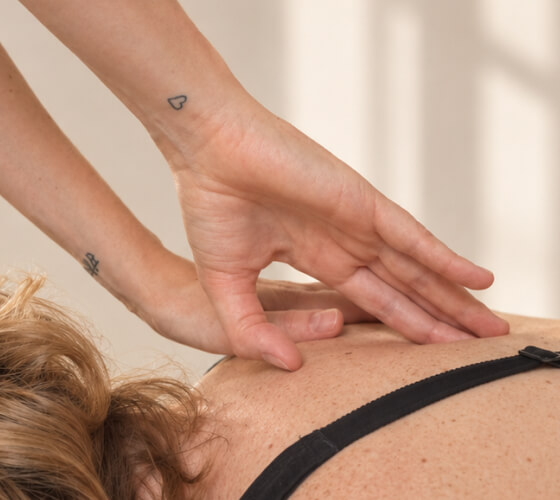
Rolfing® Structural Integration is a form of manual bodywork that helps the body find greater alignment and ease of movement.

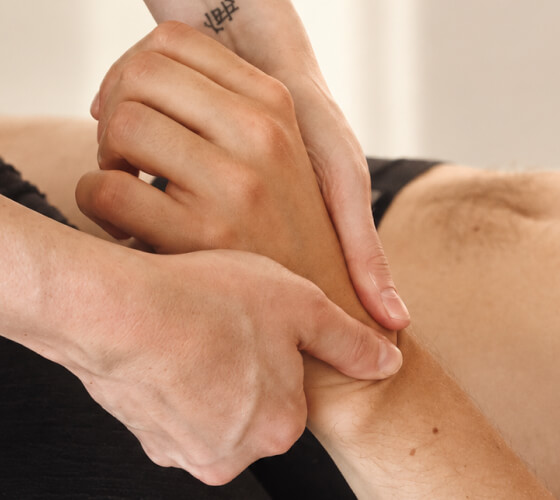
Rolfing®
Patriotismo 13, PB
Lomas de Chapultepec
Miguel Hidalgo
11000 Ciudad de México
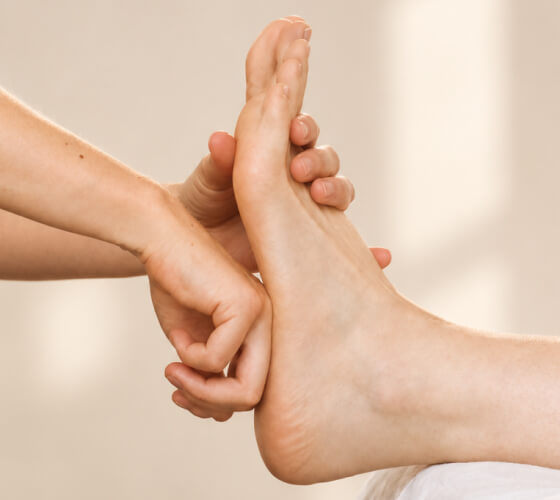
Find answers to the most frequently asked questions.
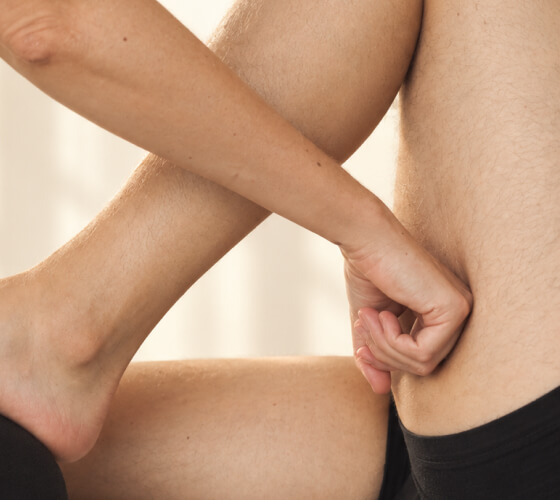
Explore the Ten Series, a systematic approach to improving alignment, balance, and freedom of movement over ten sessions.

Lorem ipsum dolor sit amet, consectetur adipiscing elit, sed do eiusmod tempor incididunt ut labore et dolore magna.

Lorem ipsum dolor sit amet, consectetur adipiscing elit, sed do eiusmod tempor incididunt ut labore et dolore magna.
- Sophie Moore
Lorem ipsum dolor sit amet, consectetur adipiscing elit, sed do eiusmod tempor incididunt ut labore et dolore magna.
- Sophie Moore
Lorem ipsum dolor sit amet, consectetur adipiscing elit, sed do eiusmod tempor incididunt ut labore et dolore magna.
- Sophie Moore

Rolfing® Structural Integration is a form of manual bodywork that aims to align and balance the body as a whole, allowing it to move and function with greater ease. The method takes its name from its founder, Dr Ida P. Rolf, an American biochemist who began developing her work in the 1940s.
Dr Rolf recognized that systematically working with the connective tissue could influence the body’s structure and the way we move. Connective tissue, also known as fascia, extends throughout the body in a web-like network, surrounding and supporting muscles, bones, nerves and organs. Postural habits, repetitive or one-sided movements and injuries can affect the fascia and contribute to physical tension or discomfort. By working with these patterns, Rolfing® can support changes in posture and movement and may help alleviate some of these complaints.
Traditionally, Rolfing® is carried out in a series of ten sessions. The sessions follow a particular sequence, with each one having a specific focus. Together, they allow different areas of the body to be addressed progressively as part of an integrated process. You can find out more about the Ten Series here.
As an Advanced Rolfer®, I can also work outside the traditional Ten Series and adapt sessions more closely to your individual needs and goals. This means that the number of sessions does not necessarily have to be ten and can vary depending on what you would like to work on.

back and shoulder discomfort
hip and knee discomfort
stress- and tension-related neck discomfort and headaches
discomfort related to repetitive strain
experience ongoing discomfort or limitations following an injury or surgery
want to improve your flexibility or posture
want to support your performance in sports, dance or music
want to support your overall health and wellbeing
want to help your body readjust after pregnancy
Rolfing® takes a holistic approach to aligning and balancing the body as a whole, rather than focusing only on individual areas or symptoms. Traditionally, this work begins with a series of ten sessions, sometimes referred to as the “recipe.”
The overall aim is to bring the body into greater balance along the vertical line and in relation to gravity. This includes balancing the right and left sides of the body, the front and back, and the inner and outer structures.
Although the Ten Series follows a particular sequence, the work is always adapted to the individual. Every person has a different physical structure, way of moving and set of needs, and these are taken into account throughout the process.
The first three sessions are known as the sleeve sessions and focus primarily on the more superficial structures of the body.
The first session focuses on freeing the breath by working with the connective tissue around the rib cage and hips. The second focuses on creating a more stable foundation through the feet and legs. The third looks at the relationship between the left and right sides of the body.
Sessions four to seven are known as the core sessions and gradually move into deeper structures.
Session four begins working with the midline of the body, from the feet through the inner legs to the pelvis. Session five continues this work upward through the torso and toward the neck. Session six focuses on the back of the body and its relationship to the front. In session seven, the focus moves to the neck and head and their relationship to the rest of the body.
Sessions eight to ten are known as the integration sessions. At this stage, the work becomes less predetermined and is guided more by what each individual body needs.
Sessions eight and nine often focus on the lower and upper body respectively, addressing areas that may benefit from further integration into the whole. The tenth session brings the different elements of the series together, with the aim of creating an overall sense of balance and completing the cycle of the Ten Series.


The image above shows a girl before her first Rolfing® session and after completing the Ten Series. The axes in the outline drawings illustrate the orientation of different parts of the body. In the first drawing, they point in different directions; after the tenth session, they appear more level, illustrating the changes in alignment shown in this example.
Fascia is the connective tissue that surrounds, supports and connects muscles, bones, nerves and organs. It extends throughout the body, forming a continuous network that connects different areas. It is made up largely of collagen fibers, which give it both flexibility and resilience.
Factors such as postural habits, repetitive movements or injuries can affect the flexibility of the fascia and create areas that feel tighter or more restricted. This may cause discomfort in the same area, but it can also influence other parts of the body because tension can be transmitted through this interconnected network.
Rolfing® works systematically with the fascia to help release restrictions and encourage greater flexibility and adaptability. By working with the relationships between different parts of the body, movement may become easier and some areas of discomfort may improve.
This approach means that we don't necessarily work only where you feel discomfort, but may also work with other areas of the body that could be contributing to it.
People of different ages and backgrounds come to Rolfing® for many different reasons. Some come because they experience pain or discomfort after an injury, spend long hours sitting or standing, perform repetitive movements, or notice that certain activities create tension in their body.
Rolfing® may help with common discomfort in areas such as the back, neck, shoulders, hips or knees, as well as tension related to stress.
It can also be useful if you play sports, dance or play a musical instrument and would like to move with greater ease. Others come to Rolfing® after pregnancy, to work on their mobility or posture, or simply because they would like to feel more comfortable in their body.
When the body is more balanced and better organized, movement can feel easier, more fluid and more natural.
This depends on what you would like to work on and your individual needs.
Traditionally, Rolfing® is structured as a series of ten sessions. Each session has a different focus, and together they provide a progressive way of working with the body as a whole.
As an Advanced Rolfer®, I can also work outside the traditional Ten Series and tailor sessions more closely to your individual needs and goals. This means that the right number of sessions is not necessarily ten. It may be fewer or more, depending on you and what we are working on.
We can start with a first session and then decide together what approach and number of sessions may be most appropriate for you.
Rolfing® should not hurt. When we work with an area that is particularly tight or restricted, you may occasionally experience some intensity or discomfort, but it should always feel manageable and you should be able to breathe comfortably.
I will check in with you throughout the session, and you can let me know at any time if something feels too intense or uncomfortable. The pressure and the way we work can always be adjusted to you.
A session usually begins with a brief look at how you stand, walk and move. This helps me identify areas of tension or imbalance and decide what we will focus on during the session.
Most of the hands-on work takes place on a treatment table. During the session, I may ask you to change position or make simple movements while I work. Some parts of the session may also be done sitting or standing.
Movement is also an important part of Rolfing®. During a session, we may explore ways of moving with greater ease and bring your attention to habits or areas of tension you may not have noticed before.
At the end, I will usually ask you to stand and walk again. This gives you a chance to notice how your body feels after the session and allows me to observe any changes.
Sessions usually last around 70–75 minutes.
The first session generally takes a little longer, as we will spend some additional time talking about what you would like to work on, your history and anything else that may be relevant.
This can vary depending on the person and what we are working on. In general, sessions can be spaced anywhere from one to four weeks apart.
Some people prefer to come once a week at the beginning, while others leave more time between sessions. It is helpful to give your body some time between sessions, so I generally don't recommend having more than one session per week.
Ideally, I work directly on the skin, as this allows me to feel and work more precisely with the different layers of fascia.
Most clients wear their regular underwear. If you prefer, you can also wear a bikini, short shorts or loose-fitting sports clothing that allows me to work easily with different areas of the body.
While you are on the treatment table, we can use a sheet or blanket to keep you comfortable and warm.
You can find current session prices and packages in the Rates section.
If there is anything else you would like to know about Rolfing® or what to expect from a session, feel free to contact me via WhatsApp, email or the contact form. I’ll be happy to answer your questions.

Sessions available in English, Spanish, German and Portuguese.
Get in touch via WhatsApp, email or the contact form.

Patriotismo 13, PB
Lomas de Chapultepec
Miguel Hidalgo
11000 Ciudad de México

Select a date and time from the available slots.
($1,600MXN per session)
Sessions last approximately 70–75 minutes. The first session usually takes a little longer, so please allow some extra time.
I am a Certified Advanced Rolfer® with more than ten years of experience in Rolfing® Structural Integration. I first came to Rolfing® through my own experience with a chronic shoulder injury. From my first sessions, I was fascinated by the work and by how differently it made me understand my body and the relationship between structure, movement and wellbeing. It sparked a curiosity that quickly grew into a desire to learn more and ultimately led me to train at the European Rolfing® Association in Munich.
Over the years, I have deepened my understanding of the body not only through my clinical practice but also through extensive continuing education and my Advanced Rolfing® training. As my experience continues to grow, so does my interest in passing on what I have learned. This has led me to begin the European Rolfing® Association’s teacher training programme in 2024.
Apart from my love for Rolfing®, I have always had a great interest in people, cultures and languages. This is very much due to my own background: I was born in Brazil to German parents and grew up in Venezuela, the Netherlands and Germany. I studied International Relations and International Political Economy in the UK, including a PhD, and went on to work in international scientific management in Brazil for six years before returning to Germany, where I trained as a Rolfer®. My interest in different people, cultures and perspectives has always been an important part of who I am and is also reflected in the way I work.
To me, every body presents itself in its own unique way, and I see it as my task to comprehend its requirements so as to provide the right support for maximum wellbeing. While the traditional Rolfing® “recipe” provides an important framework, my training and experience give me the flexibility to adapt my work to the individual, both within this framework and beyond it. It is this dialogue with each individual body that continues to fascinate me most about my work.

Teacher in Training for Rolfing® Structural Integration
European Rolfing® Association, Munich
since 2024
Movement Training: Functional Embodiment of the 10 Rolfing® Sessions
France Hatt–Arnold, Munich
2024
Advanced Rolfing® Training,
Jonathan Martine, Munich, 2022
Rolfing® Supervision,
Harvey Burns, Munich, 2017
Rolfing® Training (Intensive Format),
European Rolfing Association, Munich, 2015-2016

One Rolfing® Session Concept,
Dr Peter Schwind, Munich, 2025
Where the visceral and neural spaces meet at the cranial base,
Christoph Sommer, Munich, 2025
The Volumetric Pelvis
Juan David Vélez, Munich, 2024
Scar Work by Sharon Wheeler
Andrea Clusen, Kempten, 2023
A Volumetric Approach to the Thorax
Juan David Vélez, Munich, 2023
Fascia and Membrane Techniques: Function and Dysfunction of the Temporomandibular Joint,
Dr Peter Schwind, Munich, 2022
Review of the Rolfing® 10 Series and Explorations Beyond
Modules 2 & 3, France Hatt-Arnold, Munich, 2021
The Spine: Physiology, Biomechanics and our Perception of the Spine
Pierpaola Volpones, Munich, 2021
“How do I Perceive My Line?” Rolf Movement Workshop
Pierpaola Volpones, Hamburg, 2017
Visceral Manipulation of the Upper Organs
Dr Peter Schwind, Munich, 2017

Live Dissection of the Human Fascial System
Prof Dr Carla Stecco, Basel, 2023
Exam in Basic Medical Sciences
Biomedica, Zurich, 2020
Listening Hands Module 1
Thomas Walker, Zurich
2019
Training Course for “Heilpraktiker”
REKS am Westend, Berlin, 2017-2019
Perinatal Osteopathy Parts 1 and 2
Dennis Gülden, Berlin
2017
Barral’s Manual Diagnosis: Global and Local Listening
Thermo Diagnosis, Dr Peter Schwind, Munich, 2017
“What About Meaning?” – Emotion Management for Rolfers
Thomas Heinrich, Mannheim, 2016
200h Yoga Teacher Training
Micheline Berry, São Paulo, 2014
200h Yoga Teacher Training
Camilla Reitz, São Paulo, 2014
Take the first step towards a more balanced, aligned and vibrant you.


Copyright © 2026 Cornelia Huelsz


